Medically reviewed by Irina Matache, MD · Last updated: October 2, 2026
Our Specialists for Ependymoma
With ependymoma, the surgeon's experience matters enormously. The single biggest factor in your outcome is how much of the tumor can be safely removed — and that depends on who is in the operating room. Here's who treats ependymoma at UChicago, and why they're the right team for this.

Dr. Yamini is a brain tumor surgeon and scientist. In the operating room, he uses advanced imaging and navigation tools to remove as much tumor as possible while protecting the surrounding brain. In his lab, he's working on NIH-funded research into why some brain tumors resist treatment — and developing new ways to deliver drugs directly to tumors using nanoparticles that dissolve in the body. He's currently leading a clinical trial combining acetazolamide with temozolomide for newly diagnosed brain tumors (Neuro-Oncology Advances, 2024).
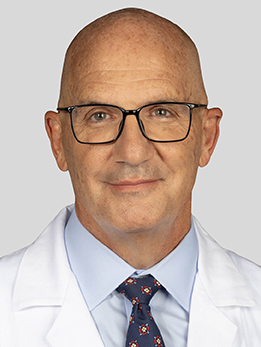
Most ependymomas in children grow in the back of the brain, near the brainstem — one of the most delicate areas to operate on. Dr. DiPatri has been doing exactly this for over 27 years. He's dual board-certified in both neurological surgery and pediatric neurological surgery, and he's the Chief of Pediatric Neurosurgery for the entire Chicagoland Children's Health Alliance, meaning he oversees pediatric brain tumor care across multiple hospitals. He came to UChicago after 22 years at Lurie Children's Hospital, with additional fellowship training at Boston Children's Hospital. If your child has an ependymoma, he is likely your surgeon.
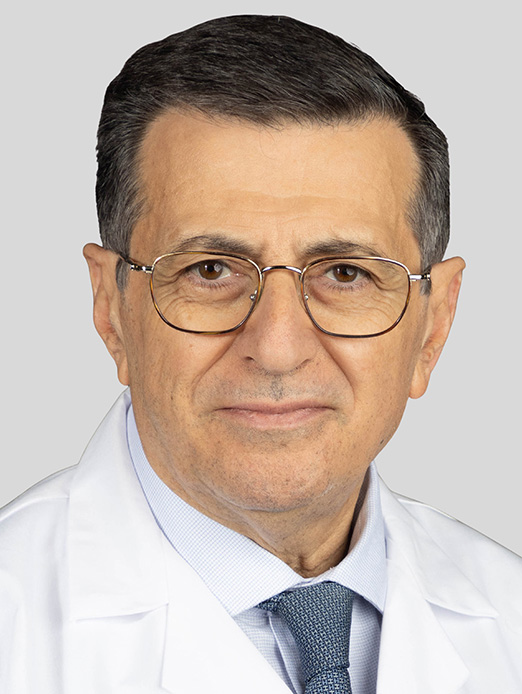
When an ependymoma is near areas of the brain that control speech, movement, or cognition, removing it requires mapping those functions in real time during surgery. Dr. Comair pioneered the use of awake craniotomy for this — a technique where the patient is kept awake so the surgeon can test brain function while removing tumor. He's published extensively on outcomes of this approach, including a study showing that in children with brain tumor-related seizures, complete tumor removal led to seizure freedom in 86% of cases (Journal of Child Neurology, 1999). He's authored over 120 papers and two neurosurgery textbooks.
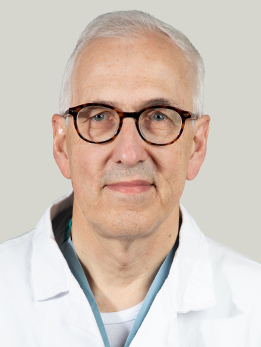
Dr. Warnke has performed more than 4,000 brain tumor surgeries. His specialty is precision — using stereotactic techniques and laser ablation to treat tumors in locations that would be too risky for traditional open surgery. For patients with recurrent ependymoma, or tumors deep within the brain, his minimally invasive approaches can reach areas that other techniques cannot. He's funded by four NIH grants, including the BRAIN Initiative.
What Is Ependymoma?
An ependymoma is a tumor that starts from the cells lining the fluid-filled spaces in the brain (ventricles) and the spinal cord's central canal. These cells, called ependymal cells, usually help create and circulate the fluid that safeguards and cushions the brain and spine.
Ependymomas are uncommon — they make up about 2-3% of brain tumors in adults and about 10% in children. They're the third most common brain tumor in kids, after medulloblastoma and pilocytic astrocytoma.
They can show up at any age, but they're most common in two groups: young children (under 5) and adults in their 30s and 40s. In children, these tumors usually grow in the back of the brain near the brainstem. In adults, they more often appear in the spinal cord.
At a Glance
- Ependymomas grow from the lining of the brain's fluid spaces or the spinal cord
- They're most common in young children and adults aged 30-40
- In kids, they usually grow in the back of the brain; in adults, in the spinal cord
- The most important treatment is surgery — removing as much as safely possible
- Today, molecular testing tells us which subtype you have and what to expect
Seeking a review of a Ependymoma diagnosis?
Your Ependymoma imaging and clinical records can be directed to the appropriate specialist, often within 24 hours.
What Does It Feel Like?
The symptoms depend on where the tumor is growing. Many of these symptoms can be caused by other, less serious conditions — but if they persist or get worse, it's worth getting checked.
If the tumor is in the back of the brain (most common in children)
- Headaches, especially in the morning or that wake your child from sleep
- Nausea and vomiting that isn't explained by illness
- Trouble with balance or walking
- Neck pain or tilting the head to one side
- In babies: a head that's growing faster than expected, irritability, or difficulty feeding
If the tumor is in the upper part of the brain
- Seizures (sometimes the first sign)
- Headaches
- Weakness on one side of the body
- Changes in vision, thinking, or behavior
If the tumor is in the spinal cord
- Back pain that doesn't go away
- Numbness or tingling in the arms or legs
- Weakness that gets worse over time
- Difficulty with bladder or bowel control
How Is It Diagnosed?
The first step is usually an MRI scan with contrast dye. This gives your doctor a detailed picture of the tumor — its size, exact location, and whether it's affecting surrounding structures. Your doctor will typically order an MRI of both the brain and the entire spine, because ependymomas can occasionally spread through the spinal fluid.
After surgery to remove the tumor, a pathologist examines the tissue under a microscope to confirm the diagnosis. But today, we go further than that.
Molecular testing is crucial in today's diagnoses. By analyzing the tumor's DNA and other molecular features, we can pinpoint the exact type of ependymoma you have. This is vital because various types behave differently—some grow slowly and might be cured with surgery alone, whereas others are more aggressive and need additional treatment. Knowing the type allows your medical team to make better-informed decisions about your care.
Types of Ependymoma
Not all ependymomas are the same. In 2021, the World Health Organization updated how these tumors are classified, putting much more weight on the tumor's molecular profile — essentially, what's happening inside the tumor's DNA. Here are the main types:
In the back of the brain (posterior fossa)
- Group A (PFA) — the most concerning type. Usually found in very young children. These tumors tend to come back more often and are harder to cure. About 56% of children with PFA tumors are alive 10 years after diagnosis.
- Group B (PFB) — much better outlook. More common in older children and adults. Over 85% of patients with PFB tumors are alive at 10 years.
In the upper brain (supratentorial)
- ZFTA fusion-positive — the most common type in this location. Caused by a specific gene fusion. Carries an intermediate outlook.
- YAP1 fusion-positive — rarer, and patients tend to do very well.
In the spinal cord
- Classic spinal ependymoma — when completely removed, the outlook is excellent (over 90% long-term survival).
- Myxopapillary ependymoma — a slow-growing type at the bottom of the spinal cord. Good prognosis in adults; needs closer watching in children.
Very slow-growing
- Subependymoma — often found incidentally. Usually cured with surgery alone. Nearly 100% survival.
How Is It Treated?
Surgery comes first — and it's the most important step
For ependymoma, the goal of surgery is to remove as much of the tumor as possible. This is the single biggest factor in your long-term outcome. Studies show that patients whose tumors are completely removed have survival rates 20-30% higher than those where tumor is left behind.
That's why choosing an experienced surgical team matters so much. At UChicago, our surgeons use real-time brain mapping, intraoperative MRI, and advanced navigation tools to maximize how much tumor they can safely remove — while protecting the parts of your brain that control movement, speech, and other critical functions.
If the first surgery doesn't remove the entire tumor, a second surgery is sometimes recommended before starting other treatments.
Radiation therapy after surgery
Most patients with intracranial ependymoma receive focused radiation therapy after surgery. This therapy aims at any remaining tumor cells that the surgeon might have missed. Using advanced methods like proton beam therapy for children, we can precisely direct the radiation, minimizing damage to healthy brain tissue.
For spinal ependymomas that are completely removed, radiation may not be needed right away. Your team may recommend monitoring with regular MRI scans instead.
What about chemotherapy?
Unlike many other tumors, ependymomas generally don't respond well to chemotherapy. It's sometimes used in very young children — mainly to buy time and delay radiation until the brain has developed more — or for tumors that come back. Researchers are actively working on new targeted therapies based on the specific molecular features of each ependymoma subtype.
If the tumor comes back
Recurrence can occur, particularly with more aggressive types. If this happens, surgery to remove the recurrence is typically the preferred method, often followed by additional radiation. For smaller recurrences, precise targeting using stereotactic techniques, similar to those employed by Dr. Warnke, is effective. Consistent MRI follow-ups are crucial to detect any recurrences early.
Need another perspective on Ependymoma?
Relevant specialists can review the Ependymoma case together and provide one coordinated recommendation.
What Are the Outcomes?
Outcomes depend on several factors — the tumor's molecular subtype, how much was removed in surgery, the patient's age, and where the tumor is located. Here's what the data shows:
| Type | 5-Year Survival | 10-Year Survival | What to know |
|---|---|---|---|
| PFA (posterior fossa, group A) | ~68% | ~56% | Most challenging; close follow-up needed |
| PFB (posterior fossa, group B) | >90% | >85% | Very favorable |
| Supratentorial (ZFTA fusion) | ~70% | ~62% | Intermediate |
| Supratentorial (YAP1 fusion) | ~100% | ~100% | Excellent |
| Spinal cord | >90% | >85% | Excellent when fully removed |
| Myxopapillary | >90% | >85% | Good; watch more closely in children |
| Subependymoma | ~100% | ~100% | Surgery alone is usually curative |
The most important thing you can control is choosing an experienced surgical team. Complete tumor removal with focused radiation achieves long-term tumor control rates approaching 100% in many subtypes. That's why where you have your surgery — and who does it — matters.
References
Have Questions About Ependymoma?
The team can review your Ependymoma records, explain the available options, and help arrange the next step.
Schedule: (773) 702-2123