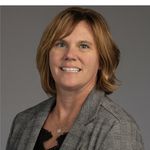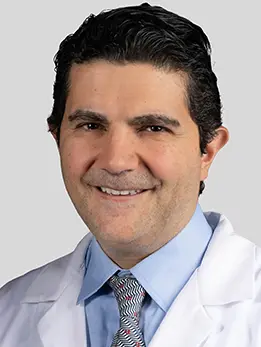
Mohamad Bydon, M.D.
Ginni and Mark Rometty Chair of Neurological Surgery
Stahl Professor of Neuroscience in the Wallman Society of Fellows
Dr. Bydon is one of the most published spine surgeons in the country, with over 600 peer-reviewed manuscripts. He launched one of the nation's first robotic and minimally invasive spine surgery programs. His stem cell trial — the first-in-human study of stem cell therapy for spinal cord injury — showed that 7 of 10 paralyzed patients regained neurological function, published in Nature Communications (2024). He holds 12 medical device patents and runs the Section of Computational Neuroscience at UChicago, using AI and machine learning to predict surgical outcomes at national scale.
Education & Training
- B.A., Dartmouth College
- M.D., Yale School of Medicine
- Residency, Neurosurgery, Johns Hopkins Hospital
- Fellowship, Complex Spine & Spinal Oncology, Johns Hopkins
National Leadership
- Editor-in-Chief, International Journal of Neuroscience
- Editorial Board, Journal of Neurosurgery
- Spine Committee, Congress of Neurological Surgeons
- 55 national & international scientific awards
Selected Publications
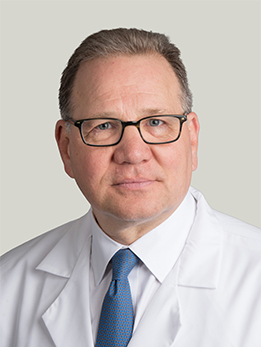
Martin Herman, M.D., Ph.D.
Program Director, Neurological Surgery Residency
Spine Surgery & Neurorestoration
Dr. Herman has one of the most unusual academic trajectories in neurosurgery: MIT undergraduate, molecular biology Master's, PhD in neuroscience from Northwestern, and MD from the University of Illinois — all before completing neurosurgical training. That deep science background led him to co-develop a fully implantable wireless device that electrically stimulates the spinal cord to restore movement after paralysis, demonstrated in large-animal models and published in Artificial Organs (2024) and Scientific Reports. As Residency Program Director, he shapes the training of every UChicago neurosurgery resident. He has been named a "Top Chicago Doctor" by Chicago magazine for over a decade running.
Education & Training
- S.B. Biology, MIT
- M.S. Molecular Biology, University of Illinois
- Ph.D. Neuroscience, Northwestern University
- M.D., University of Illinois
- Residency, Neurosurgery, Northwestern
- Fellowship, Spine, Rush University
Distinctions
- Residency Program Director
- "Top Chicago Doctor" — 10+ consecutive years
- Co-inventor, wireless spinal cord stimulation device
Selected Publications
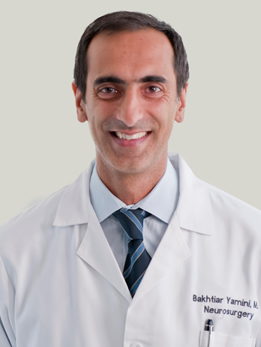
Bakhtiar Yamini, M.D.
Director, Neurosurgical Oncology
Professor of Neurological Surgery & Radiation and Cellular Oncology
Dr. Yamini is a true UChicago product — he trained here as a resident, rose to full Professor, and now holds joint appointments in both Neurological Surgery and Radiation and Cellular Oncology. His NIH-funded laboratory has spent years unraveling how the NF-kB signaling pathway drives treatment resistance in glioblastoma, identifying CDK1 as a druggable target to enhance chemotherapy response. He's also developing biodegradable nanoparticle vectors to deliver drugs directly to brain tumors — bypassing the blood-brain barrier that makes most chemotherapy ineffective against brain cancer. He is currently leading a multi-institutional Phase I trial combining acetazolamide with temozolomide for newly diagnosed malignant gliomas. He speaks English, Farsi, and Spanish.
Education & Training
- B.S. Biochemistry, Michigan State University
- M.D., University of Michigan
- Residency, Neurosurgery, University of Chicago (Chief Resident)
Research Programs
- NIH-funded NF-kB / glioblastoma resistance lab
- Nanoparticle drug delivery for CNS tumors
- Phase I acetazolamide + temozolomide trial
- Member, Committee on Cancer Biology
Selected Publications
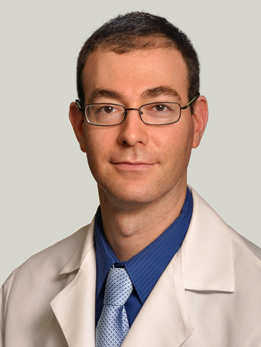
Peleg Horowitz, M.D., Ph.D.
Director of Quality
Associate Program Director
Co-Director, Pituitary & Neuroendocrine Disorders Program
Dr. Horowitz's research has identified genes that no one knew were involved in brain tumor formation. His discovery of recurrent SMO and AKT1 mutations in meningiomas was published in the Journal of Neurosurgery, and his identification of MYBL1 rearrangements in pediatric low-grade gliomas appeared in the Proceedings of the National Academy of Sciences (PNAS) — findings that are reshaping how these tumors are classified. He earned his PhD in neuroscience from Northwestern, trained in surgery at Brigham and Women's / Boston Children's Hospital, and completed a skull base oncology fellowship at MD Anderson Cancer Center. He's funded by the Department of Defense Neurofibromatosis Research Program and co-leads UChicago's Pituitary and Neuroendocrine Disorders Program.
Education & Training
- B.A., Northwestern University
- M.D./Ph.D. (Neuroscience), Northwestern Feinberg School of Medicine
- Residency, Neurosurgery, Brigham & Women's / Boston Children's
- Fellowship, Skull Base Oncology, MD Anderson Cancer Center
Funding & Roles
- Dept. of Defense Neurofibromatosis Research Program
- Brain Science Foundation
- Co-Director, Pituitary & Neuroendocrine Program
- Published in Nature Genetics, PNAS, J Neurosurg
Selected Publications
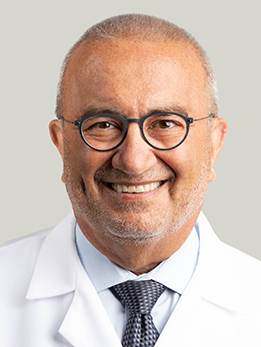
Issam A. Awad, M.D., M.Sc., FACS
John Harper Seeley Professor of Neurological Sciences
Past President, Congress of Neurological Surgeons
Dr. Awad is widely considered the world's foremost authority on cerebral cavernous malformations (CCM) — a condition he has studied for nearly three decades. His lab discovered the key genetic mutations that cause CCM in Hispanic and Ashkenazi Jewish populations, enabling simplified genetic testing for thousands of at-risk families. He led UChicago to become the nation's first designated Center of Excellence for CCM. With over 400 publications and 100,000+ citations (H-index 98), he is the most-cited neurosurgeon on Google Scholar. He has been continuously funded by the NIH since 1998 and was elected to the Association of American Physicians — one of the highest honors in academic medicine. He also served as the 51st President of the Congress of Neurological Surgeons.
Education & Training
- M.Sc. Biochemistry, Loma Linda University
- M.D., Loma Linda University School of Medicine
- Residency, Neurosurgery, Cleveland Clinic
- Fellowship, Cerebrovascular & Skull Base, Barrow Neurological Institute
National Leadership
- 51st President, Congress of Neurological Surgeons
- Elected, Association of American Physicians
- Chairman, Joint Cerebrovascular Section (AANS/CNS)
- Continuously NIH-funded since 1998
Selected Publications
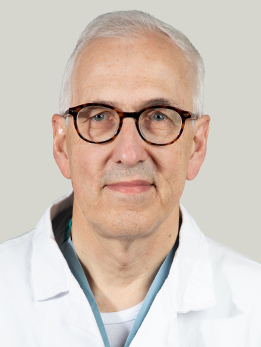
Peter Christian Warnke, M.D.
Director, Epilepsy Surgery Program
Professor of Surgery and Neurology
Dr. Warnke is one of the most experienced stereotactic neurosurgeons in the world, with more than 8,000 stereotactic surgeries and more than 4,000 brain tumor surgeries to his name. In 2021, he became only the second neurosurgeon worldwide to perform a tractography-guided laser hemispherotomy — a minimally invasive procedure that stops seizures by disconnecting brain hemispheres through five small holes instead of removing the skull. He directs three active clinical trials (NAUTILUS, SLATE, and RESPONSE) investigating next-generation approaches to epilepsy, and holds four NIH grants including funding from the BRAIN Initiative for brain-computer interface research. His breadth across epilepsy, brain tumors, movement disorders, and pediatric neurosurgery is exceptionally rare.
Education & Training
- M.D., University of Freiburg, Germany
- Residency, Neurosurgery, University of Saarland, Germany
- Fellowship, Neurology, Northwestern University
National Leadership
- Associate Editor, J Neurology, Neurosurgery & Psychiatry
- World Society for Stereotactic & Functional Neurosurgery
- 4 active NIH grants incl. BRAIN Initiative
- 400+ laser ablation surgeries at UChicago
Selected Publications
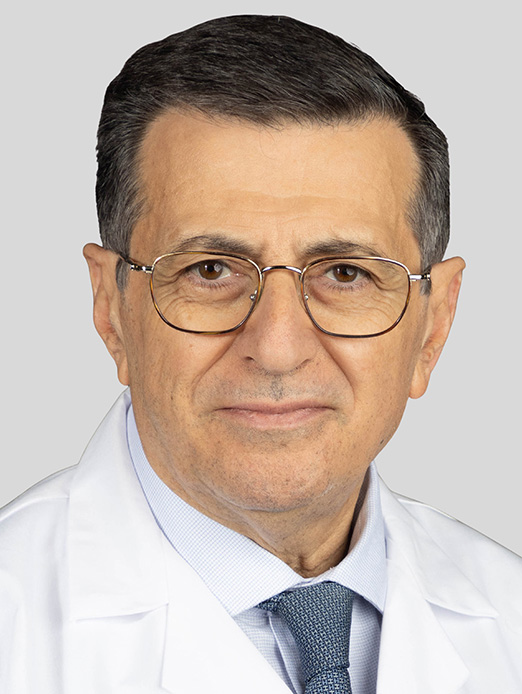
Youssef G. Comair, M.D., FRCSC
Professor of Surgery (Neurological Surgery)
Dr. Comair pioneered the use of awake craniotomy for brain tumors near areas that control speech, movement, and cognition — a technique now considered standard of care worldwide. Trained at the Montreal Neurological Institute under the legacy of Wilder Penfield, he has held leadership positions at five major institutions across three continents: UCLA, Cleveland Clinic, the American University of Beirut (where he founded the first epilepsy surgery program in the Middle East), Baylor College of Medicine, and Johns Hopkins. He has authored over 120 publications and two neurosurgery textbooks, with chapters in more than 40 others. A recent meta-analysis he co-authored confirmed that awake craniotomy improves tumor removal, survival, and neurological outcomes compared to surgery under general anesthesia.
Education & Training
- M.D., St. Joseph University, Beirut, Lebanon
- Residency, Neurosurgery, Montreal Neurological Institute, McGill
- Fellowship, Brain Tumor & Functional Neurosurgery, MNI
National Leadership
- Board of Directors, World Society for Stereotactic & Functional Neurosurgery
- Pediatric Epilepsy Surgery Committee, International League Against Epilepsy
- Leadership at UCLA, Cleveland Clinic, AUB, Baylor, Johns Hopkins
Selected Publications
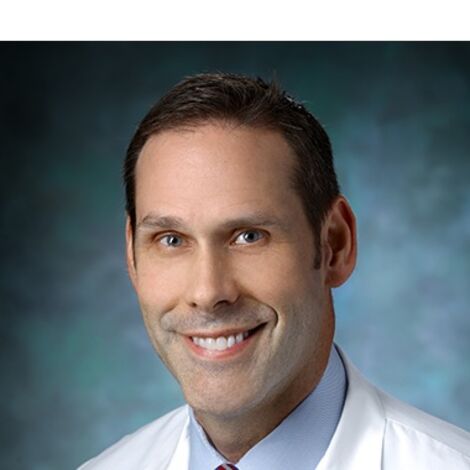
Timothy F. Witham, M.D., FACS
Formerly Professor of Neurological Surgery & Orthopaedic Surgery, Johns Hopkins
Dr. Witham is a pioneer in augmented reality spine surgery — he led one of the first teams to use an AR head-mounted display for navigation during human spine surgery, published in Operative Neurosurgery (2021). At Johns Hopkins, he served as Director of the Spinal Fusion Laboratory, Director of the Bayview Spine Program, and Co-Program Director of the neurosurgery residency. He also served as a Lt. Colonel and Chief Neurosurgeon in the U.S. Air Force at Keesler Medical Center, earning the Air Force Meritorious Service Medal. His lab at Hopkins developed bioactive biodegradable polymer scaffolds to enhance spinal fusion. He has authored over 170 peer-reviewed publications.
Education & Training
- B.S. Biochemistry, Penn State University
- M.D., Johns Hopkins School of Medicine
- Residency, Neurosurgery, University of Pittsburgh
- Fellowship, Spine Surgery, Johns Hopkins
Distinctions
- Lt. Colonel, U.S. Air Force
- Air Force Meritorious Service Medal
- Co-Program Director, Hopkins Neurosurgery Residency
- 170+ peer-reviewed publications
Selected Publications
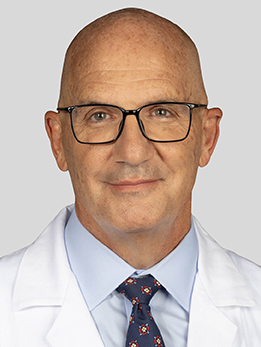
Arthur J. DiPatri Jr., M.D.
Director, Pediatric Neurosurgery, Comer Children's Hospital
Chief of Pediatric Neurosurgery, Chicagoland Children's Health Alliance
Dr. DiPatri is one of the most experienced pediatric neurosurgeons in the Midwest. He spent 22 years at Lurie Children's Hospital (formerly Children's Memorial) before joining UChicago, where he now oversees pediatric brain surgery across a multi-hospital alliance that includes Comer Children's, Advocate Children's, and Pediatrics at Endeavor Health. He is one of relatively few neurosurgeons in the country who holds dual board certification from both the American Board of Neurological Surgery and the American Board of Pediatric Neurological Surgery. He completed additional fellowship training at Boston Children's Hospital — the birthplace of American pediatric neurosurgery. He is also affiliated with Shriners Children's Chicago.
Education & Training
- M.D., Rutgers University (New Jersey Medical School)
- Residency, Neurosurgery, University of Maryland
- Fellowship, Pediatric Neurosurgery, Children's Memorial Hospital
- Additional training, Boston Children's Hospital
Certifications & Roles
- Dual Board Certified (ABNS + ABPNS)
- Chief, Pediatric Neurosurgery for CCHA
- 27+ years of pediatric neurosurgery experience
- Affiliated with Shriners Children's Chicago
Selected Publications
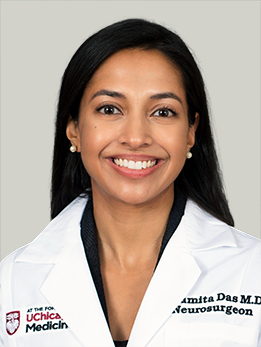
Paramita Das, M.D., M.S.
Director, Neurotrauma
Director, Neurosurgical Trauma Fellowship
Bucksbaum-Siegler Institute for Clinical Excellence
Dr. Das occupies a critical niche that few academic neurosurgeons fill: she is both a fellowship-trained skull base surgeon (Cleveland Clinic) and the director of one of the country's only dedicated neurosurgical trauma fellowships. At UChicago's Level 1 Trauma Center — which serves one of the highest-volume trauma populations in the Midwest — she manages some of the most complex and acute injuries in neurosurgery. Her team developed the UChicago PBI Imaging Score, a novel way to use CT scans to predict outcomes in gunshot wound patients, published in the Journal of Neurotrauma (2025). She was recognized by the Bucksbaum-Siegler Institute for Clinical Excellence — a selective UChicago honor for outstanding patient care. She speaks English and Bengali.
Education & Training
- M.D., Georgetown University School of Medicine
- Residency, Neurosurgery, University of Minnesota
- Fellowship, Skull Base Surgery, Cleveland Clinic
Distinctions
- Bucksbaum-Siegler Institute for Clinical Excellence
- Directs one of few neurosurgical trauma fellowships nationally
- UChicago Level 1 Trauma Center: 18,800+ patients since 2018
Selected Publications
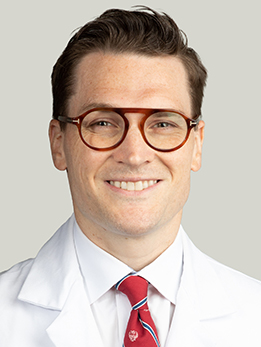
Sean P. Polster, M.D.
Co-Director, Stroke Center
Director, Skull Base & Neurovascular Laboratory
Safadi Faculty Scholar
Dr. Polster was among the first to demonstrate that the gut microbiome directly influences the formation of cerebrovascular lesions in humans — a paradigm-shifting discovery published in Nature Communications (2020) that established the first diagnostic microbiome signature for any neurovascular disease (92% sensitivity). He directs the Gut-Brain Axis Laboratory at UChicago, funded by the NIH and the American College of Surgeons, investigating how gut barrier disruption drives stroke, brain injury, and neurodegeneration. Clinically, he trained in cerebrovascular and skull base surgery at the University of Pittsburgh and performs both open microsurgical and advanced endoscopic procedures. He has a 4.9/5 patient rating on UChicago Medicine.
Education & Training
- M.D., University of Wisconsin-Madison
- Residency, Neurosurgery, University of Chicago
- Fellowship, Skull Base & Cerebrovascular, Univ. of Pittsburgh
Funding & Recognition
- NIH NINDS K12 Career Development Award
- American College of Surgeons Research Grant
- Safadi Faculty Scholar
- 4.9/5 patient rating (56 reviews)
Selected Publications
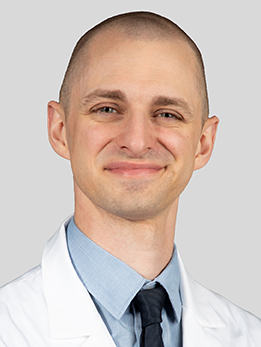
David Satzer, M.D.
Functional Neurosurgery & Epilepsy
Dr. Satzer is building the science of precision neuromodulation — figuring out how to use real-time brain signals to make stimulation devices smarter. His discovery that a specific pattern in brain electrical activity (the "aperiodic exponent") rises in the 12 hours before a seizure and drops after stimulation established the first practical biomarker for both predicting seizures and confirming that treatment is working, published in Brain Stimulation (2025). He trained in neurosurgery at UChicago under Dr. Warnke and completed his functional neurosurgery fellowship at the University of Colorado. He won the American Epilepsy Society Junior Investigator Award and has been recognized as a cover artist for the Journal of Neurosurgery.
Education & Training
- B.A. Biological Chemistry & Neuroscience, Grinnell College
- M.D., University of Minnesota
- Residency, Neurosurgery, University of Chicago
- Fellowship, Stereotactic & Functional, Univ. of Colorado
Awards
- American Epilepsy Society Junior Investigator Award
- AES Fellow (2023)
- CNS Fellow (2024)
- CNS Stereotactic & Functional Resident Clinical Award
Selected Publications
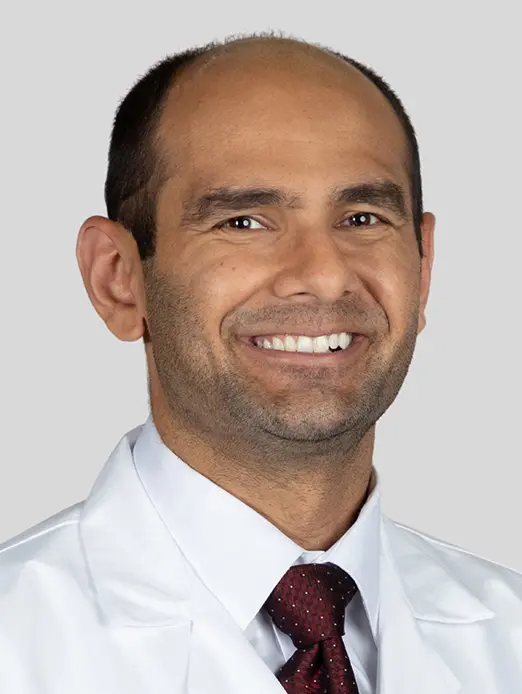
Rohaid Ali, M.D.
Clinical Director and Co-Head, Section of Computational Neurosurgery
Incoming Assistant Professor of Neurological Surgery
Dr. Ali joins UChicago from Brown University Health, where he served as Chief Resident in the Department of Neurosurgery, followed by a spine fellowship at Harvard / Massachusetts General Hospital. He directs endoscopic spine neurosurgery at UChicago, specializing in minimally invasive endoscopic approaches that allow surgeons to reach the spine through very small incisions — reducing muscle injury, pain, and recovery time. He is a Stanford School of Medicine graduate and has published in NEJM AI, JAMA Surgery, and Nature Digital Medicine. As an OpenAI Trusted Partner and recipient of an Exceptional Health Research Grant, his work on AI-assisted informed consent and voice reconstruction has been covered by The Associated Press, NBC Nightly News, and The New York Times.
Education & Training
- M.D., Stanford University School of Medicine
- Residency, Neurosurgery, Brown University Health
- Chief Resident, Brown University Health
- Fellowship, Spine Surgery, Harvard / Mass General Brigham
Research & Distinctions
- OpenAI Trusted Partner & Exceptional Health Research Grant recipient
- Published in NEJM AI, JAMA Surgery, Nature Digital Medicine
- Research covered by AP, NBC Nightly News, NYT
- Endoscopic lateral lumbar interbody fusion research
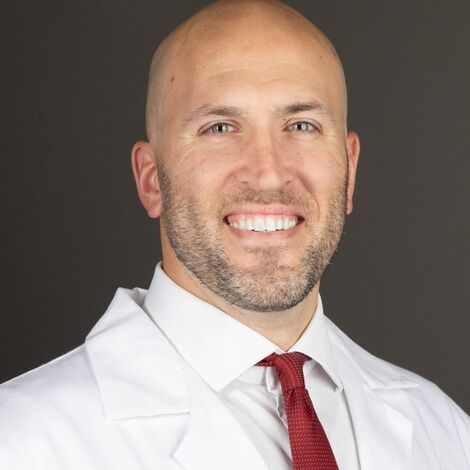
Ryan M. Naylor, M.D., Ph.D.
Cerebrovascular, Endovascular & Skull Base Neurosurgery
Dr. Naylor is a dual-trained open microsurgical and endovascular neurosurgeon specializing in complex neurovascular disorders — brain aneurysms, arteriovenous malformations and fistulas, cavernous malformations, stroke, and chronic subdural hematoma. He is one of only a handful of neurosurgeons in the country with specialized expertise in treating spontaneous intracranial hypotension. He completed his M.D. and Ph.D. at the Mayo Clinic and Mayo Clinic Graduate School, followed by neurosurgery residency and enfolded fellowships in endovascular neurosurgery and skull base oncology at Mayo. He has authored more than 60 peer-reviewed publications.
Education & Training
- B.S., Biological Sciences & Chemistry, UC Irvine
- M.D./Ph.D., Mayo Clinic Alix School of Medicine & Graduate School
- Residency, Neurosurgery, Mayo Clinic
- Fellowships, Endovascular Neurosurgery & Skull Base Oncology, Mayo Clinic
Research & Distinctions
- 60+ peer-reviewed publications
- Basic science research: mechanisms of brain AVM formation
- Expertise in spontaneous intracranial hypotension
- Treats trigeminal, glossopharyngeal & hemifacial neuralgia
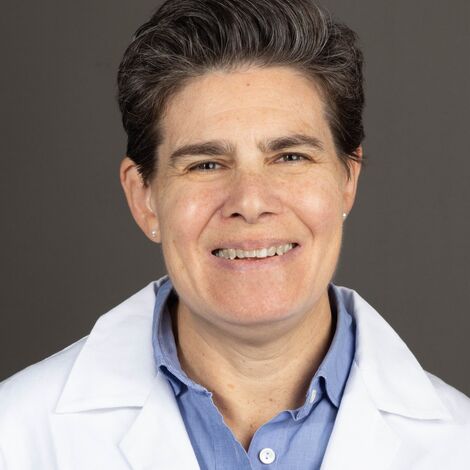
Patricia B. Raksin, M.D.
Associate Professor of Neurological Surgery
Neurotrauma
Dr. Raksin serves as Associate Program Director for the UChicago Neurosurgery residency program and is a senior clinician within the department. Her clinical focus includes neurotrauma and general neurosurgical care, and she plays a central role in training the next generation of neurosurgeons at UChicago.
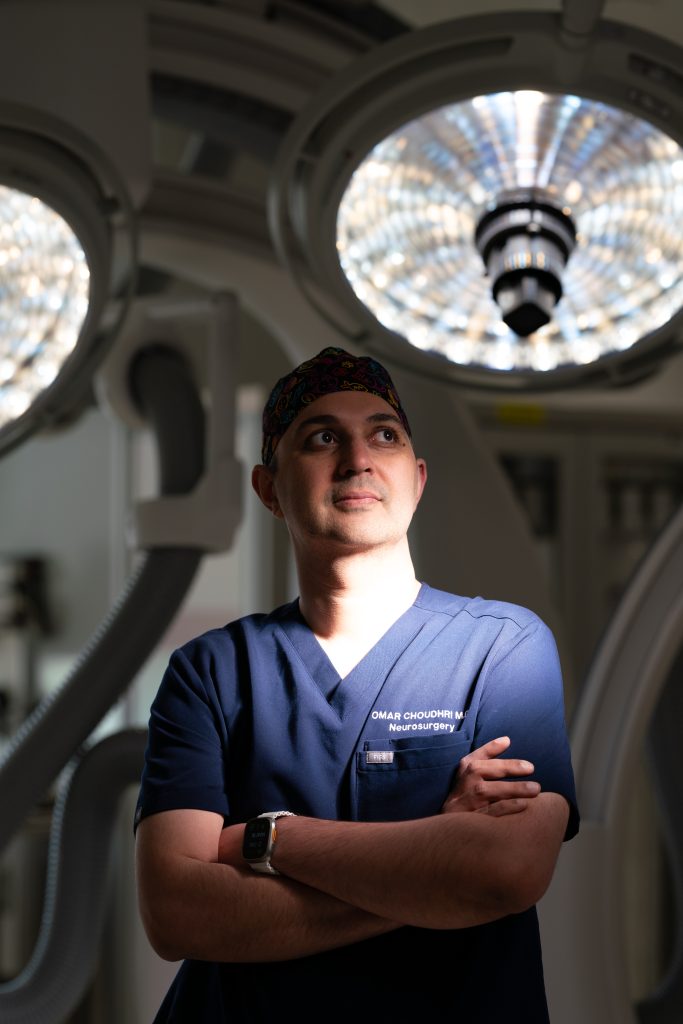
Omar Choudhri, M.D., MHCI, FACS, FAANS
UChicago Medicine AdventHealth
Dr. Choudhri is a board-certified cerebrovascular, endovascular, and skull base neurosurgeon. He sees patients at UChicago Medicine AdventHealth in Hinsdale, Bolingbrook, and Carol Stream, as well as at UChicago Medicine in Hyde Park. His practice includes brain aneurysms, vascular malformations, carotid disease, Moyamoya disease, stroke, pulsatile tinnitus, and skull base tumors.
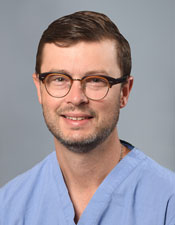
Jonathan G. Hobbs, M.D.
Spine Surgery & General Neurosurgery
Dr. Hobbs is a board-certified neurosurgeon specializing in spine surgery, including spinal tumors, complex spinal deformity, and revision surgery. He earned his medical degree at the University of Kentucky and completed his neurological surgery residency at the University of Chicago, serving as chief resident. He practices at Lakeshore Bone & Joint Institute in Crown Point and Chesterton, Indiana.
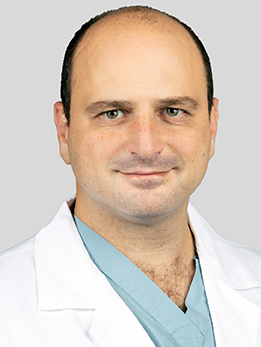
Omer Doron, M.D., Ph.D.
Endovascular Neurosurgeon
Dr. Doron is dual-trained in both open microsurgical and endovascular approaches — a rare combination that lets him select the optimal treatment for each patient with a stroke, aneurysm, or vascular malformation. He completed his cerebrovascular fellowship at Massachusetts General Hospital / Harvard, where he performed over 2,500 endovascular neurosurgeries. His PhD research in biomedical engineering led him to invent a cardiac-gated balloon pump device to augment cerebral blood flow after brain injury, published in the Journal of Neurosurgery (2020) — a device that spawned a neurotech startup. At UChicago, he is building out the regional thrombectomy network so stroke patients across the South Side and suburbs can receive life-saving clot retrieval treatment rapidly.
Education & Training
- M.D., Tel Aviv University Sackler School of Medicine
- Ph.D. Biomedical Engineering, Tel Aviv / Hebrew University
- Residency, Neurosurgery, Hadassah University Hospital, Jerusalem
- Fellowship, Endovascular, Northwell Health
- Fellowship, Cerebrovascular, MGH / Harvard
Distinctions
- 2,500+ endovascular neurosurgeries
- Medical device inventor & neurotech co-founder
- Building UChicago regional thrombectomy network
- Society of NeuroInterventional Surgery (SNIS)
Selected Publications
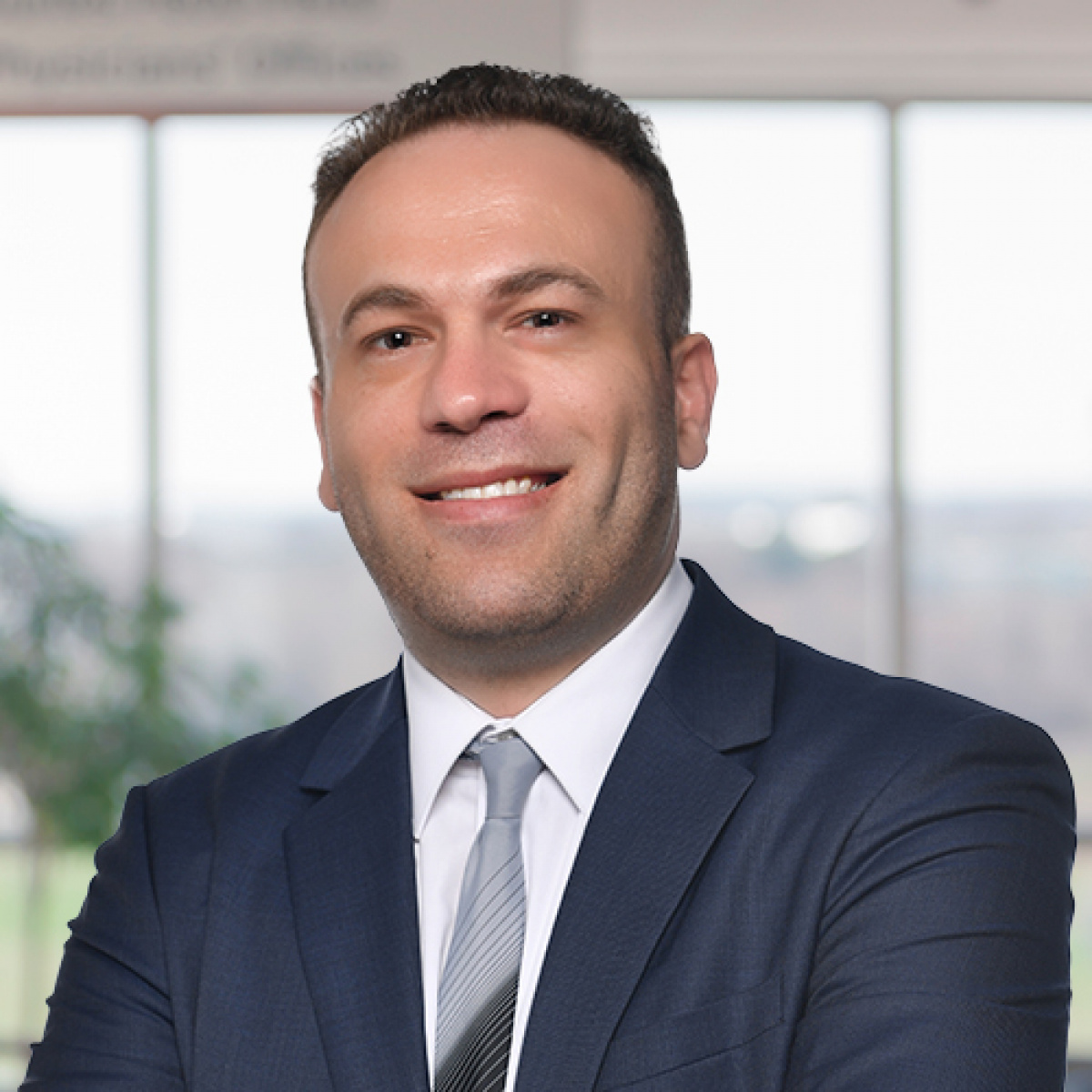
Jehad Zakaria, M.D.
Endovascular Neurosurgeon
Dr. Zakaria is an endovascular neurosurgeon at UChicago, performing catheter-based treatments for stroke, brain aneurysms, and vascular malformations. Alongside Dr. Omer Doron, he helps anchor the department's expanding thrombectomy and cerebrovascular program that serves the South Side of Chicago and the surrounding region.
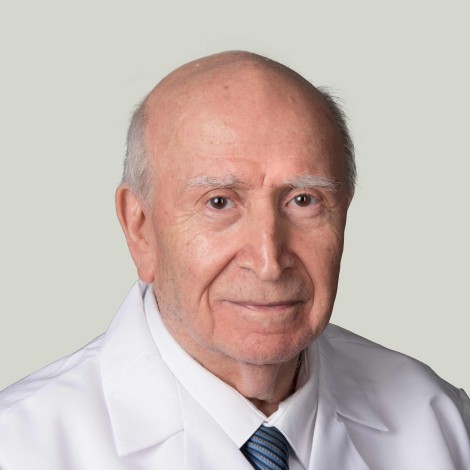
Javad Hekmat-Panah, M.D.
Dr. Hekmat-Panah is Professor Emeritus of Neurological Surgery at the University of Chicago, with a long academic career at the department. His contributions to clinical neurosurgery and education span decades of service to UChicago patients and trainees.
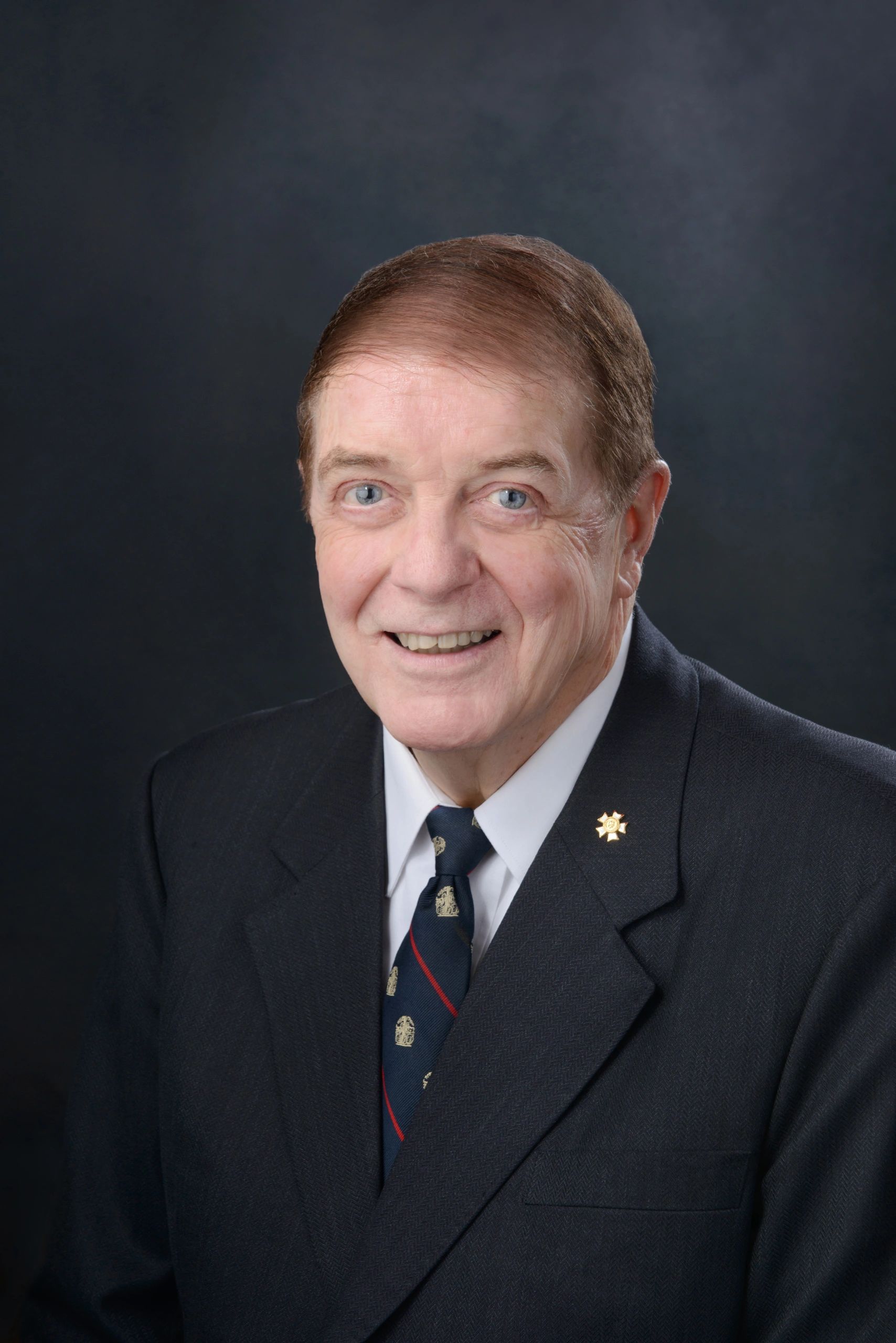
George J. Dohrmann, M.D.
Dr. Dohrmann is Professor Emeritus of Neurological Surgery at the University of Chicago. Over the course of his career he contributed to the academic, clinical, and teaching missions of the department and helped shape generations of neurosurgeons trained at UChicago.
Antonio R. Porras, Ph.D.
Scientific Director and Co-Head, Section of Computational Neurosurgery
Dr. Porras directs UChicago's Neural Image Computing Lab and develops artificial intelligence and medical image computing methods that transform biomedical images and multimodal health data into actionable insights for diagnosis, treatment planning, and outcome prediction.
F. M. Moinuddin, Ph.D.
Dr. Moinuddin is a neurosurgery research scientist who uses data science, biomedical informatics, and AI to improve how we predict outcomes and personalize care for patients with spine and brain conditions. He trained at the Mayo Clinic Neuro-Informatics Laboratory before joining Dr. Bydon's team at UChicago, and his work helps translate large clinical datasets into smarter, safer surgical decisions.
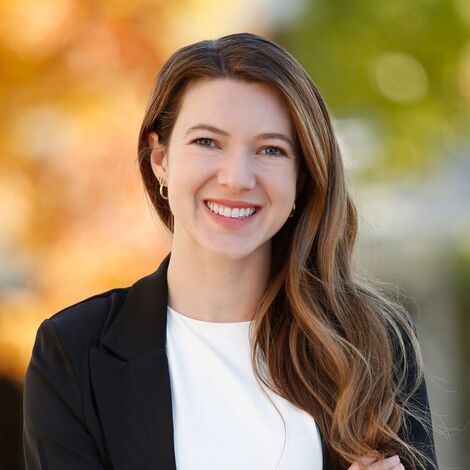
Delaney Fisher, Ph.D.
Dr. Fisher develops new gene therapies for cerebral cavernous malformations (CCMs) — clusters of abnormal blood vessels in the brain that can cause strokes and seizures. Working in Dr. Issam Awad's neurovascular lab, she is building next-generation viral delivery tools aimed at correcting the genetic root of familial CCM, a collaboration with Duke University supported by the Department of Defense.
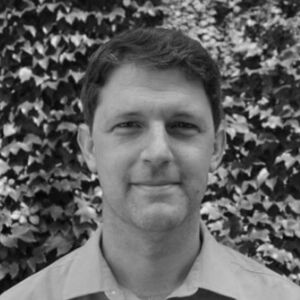
John Downey, Ph.D.
Dr. Downey is a brain-computer interface (BCI) scientist who helps people with paralysis regain movement and the sense of touch. He designs the software and surgical techniques that let tiny implants read motor signals from the brain to control robotic arms — and he was a lead author on the 2025 breakthrough showing that patients can feel realistic tactile sensations through a bionic hand.
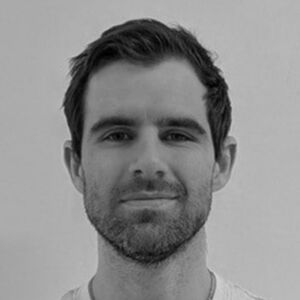
Charles Greenspon, Ph.D.
Dr. Greenspon is a sensory neuroscientist working to restore the sense of touch to people living with paralysis or limb loss. By delivering precisely patterned electrical signals to the brain's touch region, he and his team are teaching bionic hands to feel edges, motion, and shapes — a critical step toward prosthetics that feel like part of the body.