See a Provider Within 24 Hours
University of Chicago Medicine

Department of
Neurological Surgery

Scroll
100+

Years of Discovery

The University of Chicago has shaped the course of modern neurosurgery. From pioneering the anterior cervical discectomy to establishing the foundations of endovascular surgery, our department's discoveries continue to define how patients are treated worldwide.

12 Nobel Prizes (neuroscience related)
101.5 Total Nobel Prizes at The University of Chicago
$17M Active Research Funding
Nobel Prize

Roger Wolcott Sperry

Awarded for split-brain research

Revealed that the brain's two hemispheres specialize in different functions — foundational to how we understand consciousness, language, and cognition.

Nobel Prize

Charles Brenton Huggins

Awarded for hormonal control of cancer

Discovered that prostate cancer could be treated with hormones — the first systemic cancer therapy, developed right here at UChicago.

Nobel Prize

James Dewey Watson

Awarded for the structure of DNA

Co-discovered the double helix — the foundation of all modern cancer genetics, molecular diagnostics, and targeted therapy. UChicago PhD.

Landmark Discovery

Anterior Cervical Discectomy & Fusion

Pioneered by Ralph Cloward

A foundational spine surgery technique still used worldwide to relieve spinal cord and nerve root compression — invented at UChicago.

Landmark Discovery

Endovascular Neurosurgery

Advanced by John Mullan

Established the principles of minimally invasive vascular neurosurgery — the basis for every catheter-based aneurysm and stroke treatment used today.

Landmark Discovery

Klüver-Bucy Syndrome

Discovery of temporal lobe function

Revealed how the temporal lobes control emotion, behavior, and memory — foundational to modern neuroscience and epilepsy surgery.

Nobel Prize

Enrico Fermi

Awarded for nuclear chain reactions

The nuclear reactions he achieved at UChicago laid the foundations for modern radiation therapy — now a cornerstone of brain tumor treatment.

Landmark Discovery

Intraoperative Ultrasound

Pioneered by John Mullan

Enabled real-time imaging during brain surgery for the first time, dramatically improving tumor localization and surgical precision.

Landmark Discovery

Thalamic Mapping & Stereotactic Surgery

Conducted by Earl Walker

Mapped the thalamus with precision that enabled targeted interventions for movement disorders — the precursor to modern DBS.

Our Facilities
The World's Most Advanced Neurosurgical Facilities
Our patients are treated in landmark spaces equipped with technology found in only a handful of centers nationwide — including one of only 12 intraoperative MRIs in the United States.
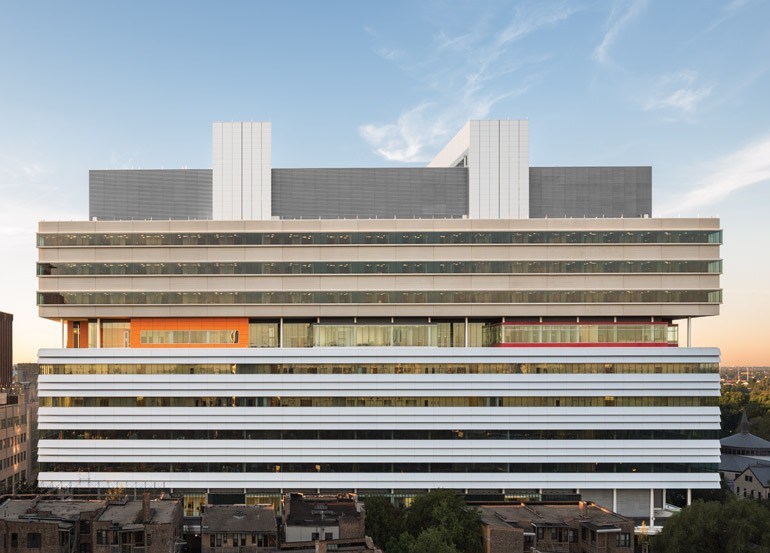
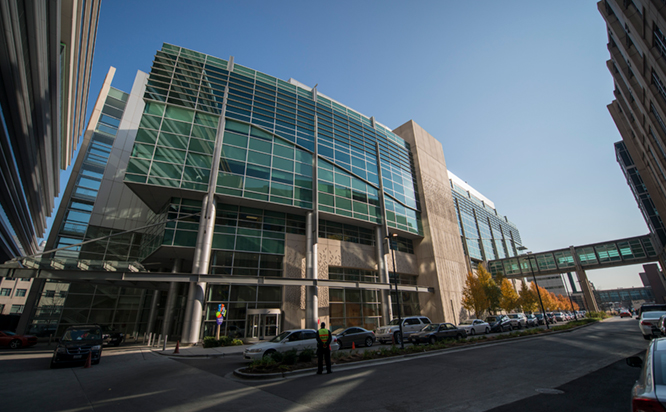
Center for Care and Discovery

Center for Care & Discovery

A landmark facility designed by architect Rafael Viñoly, equipped with modern, large operating rooms and one of the newest intraoperative MRIs in the country — one of only 12 in the United States.

5758 S. Maryland Ave, Chicago, IL 60637
Comer Children's Hospital

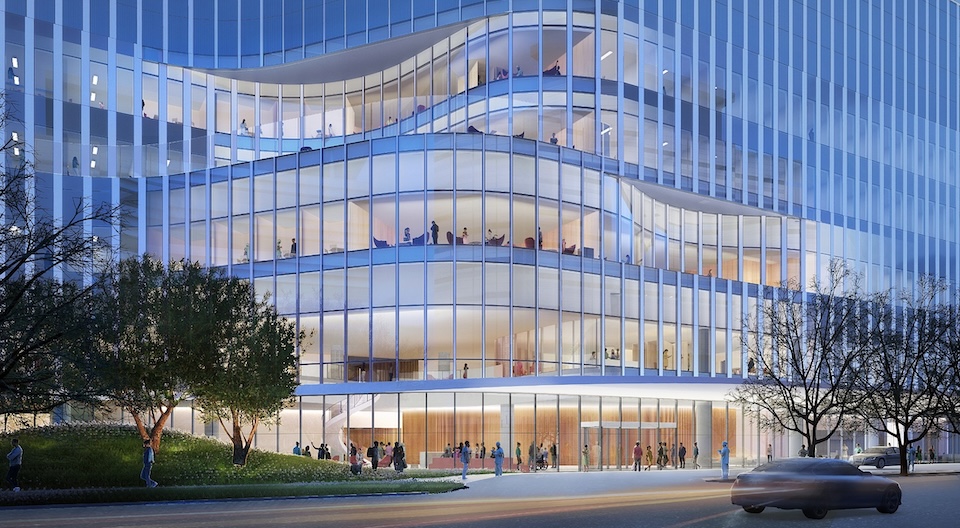
Comer Children's Hospital

A freestanding children's hospital with dedicated pediatric neurosurgical suites, providing specialized care for our youngest patients.

5721 S. Maryland Ave, Chicago, IL 60637
UChicago Comprehensive Cancer Center

UChicago Comprehensive Cancer Center

The largest cancer center in the United States, integrating neurosurgery with neuro-oncology, radiation oncology, and translational research.

5758 S. Maryland Ave, Chicago, IL 60637
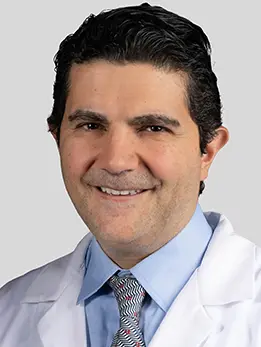
Dr. Mohamad Bydon, Chair of Neurological Surgery
Message from the Chair
"At the University of Chicago, we specialize in cases where treatment needs to be highly individualized. Our patients benefit from a team that combines advanced surgical techniques, detailed brain mapping, and research-driven care — tailored to each person's unique condition."
Mohamad Bydon, M.D.
Chair, Department of Neurological Surgery
University of Chicago Medicine
Conditions We Treat
Areas of Expertise
Our neurosurgeons are recognized leaders in treating the most complex conditions of the brain, spine, and nervous system.
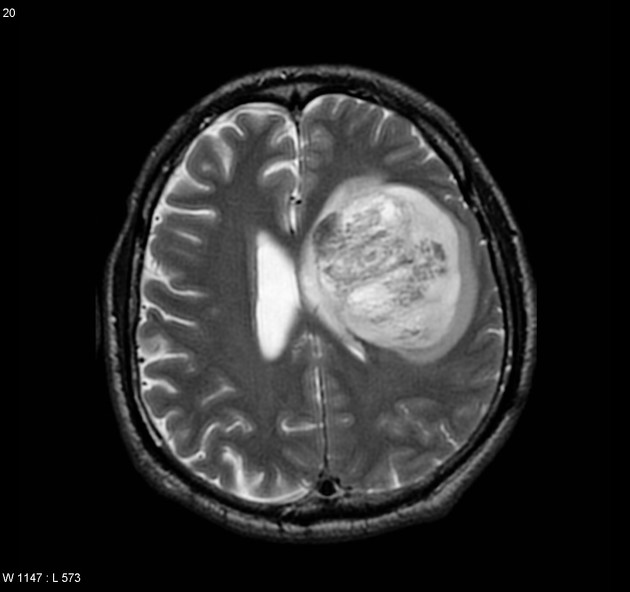
Glioblastoma MRI

Brain Tumors

Led by Dr. Youssef Comair, who pioneered awake craniotomy for tumors in eloquent cortex. We use advanced cortical and subcortical mapping to remove tumors while protecting your ability to speak, think, and move.

View all conditions →
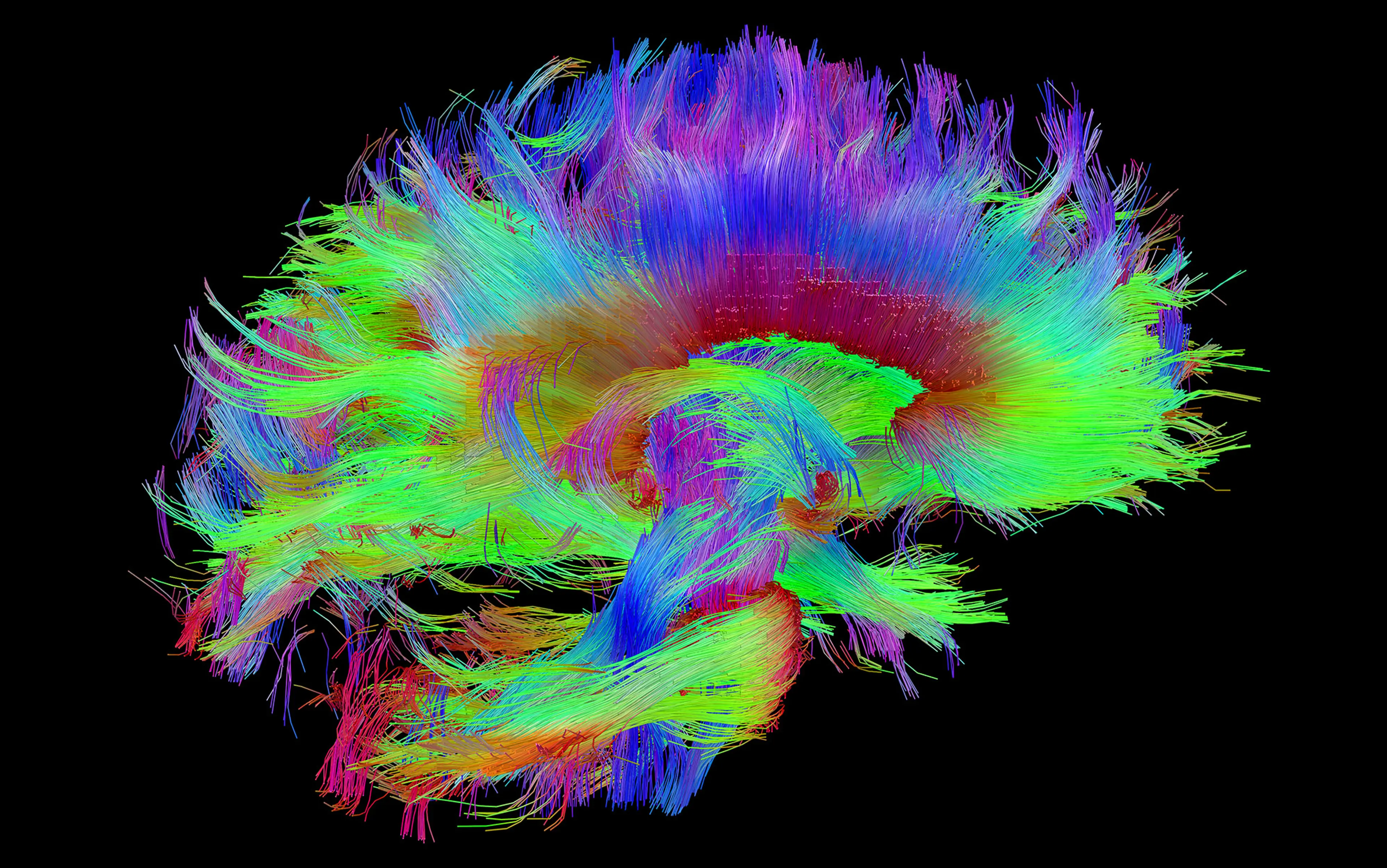
DTI brain fiber tracts

Epilepsy

Dr. Peter Warnke is only the second neurosurgeon worldwide to perform laser hemispherotomy — a minimally invasive alternative that stops seizures through five small holes instead of removing the skull. Over 400 laser ablation surgeries performed at UChicago.

View all conditions →
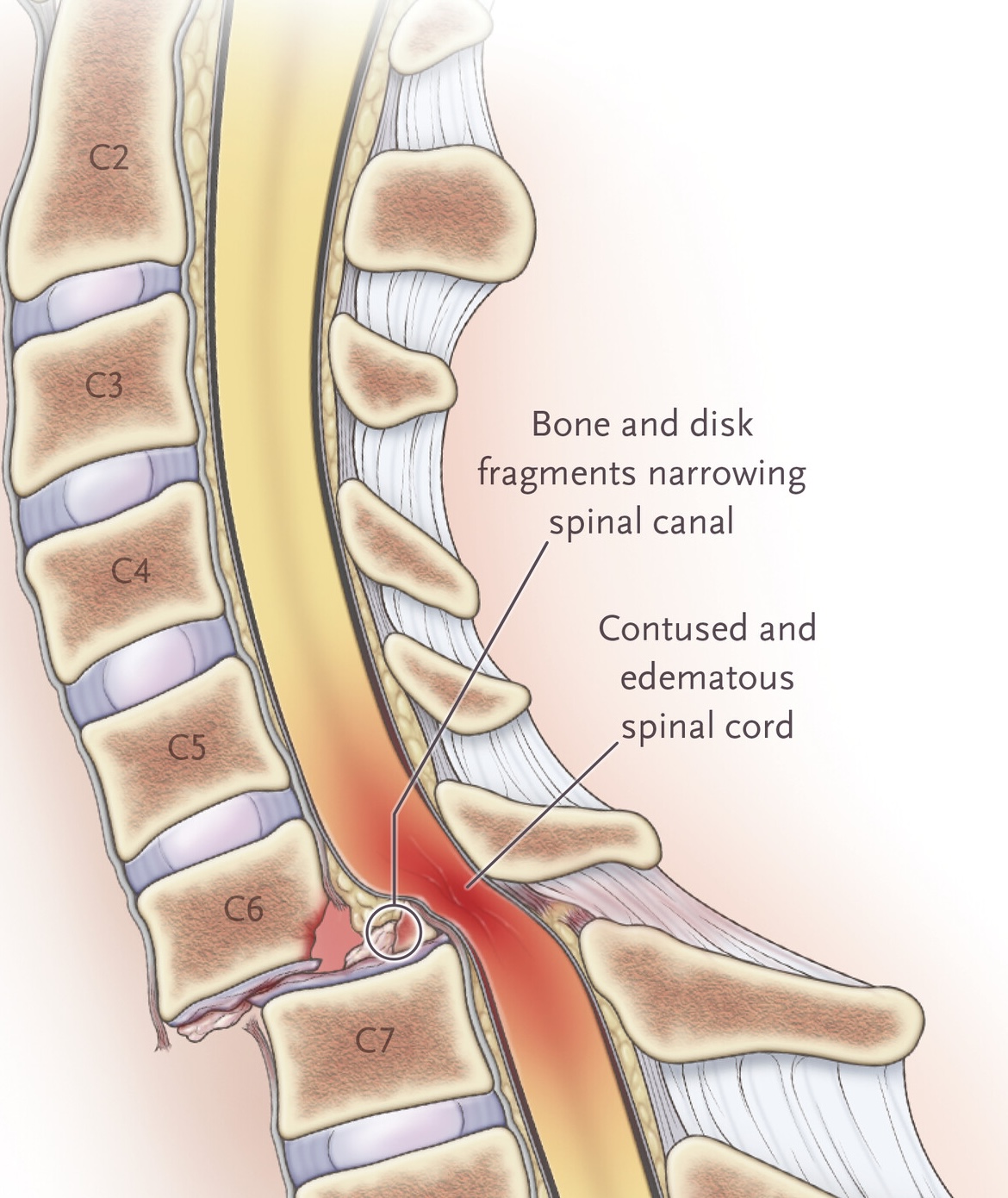
Spinal cord compression

Spine Surgery

We treat the most complex spinal conditions — stenosis, spondylolisthesis, instability, and adult deformity — using minimally invasive, endoscopic, and robotic-assisted approaches. For the hardest cases, our team performs complex reconstruction and revision surgery. We also offer augmented reality-guided navigation and regenerative stem cell therapies when indicated, and lead clinical trials advancing the field.

View all conditions →
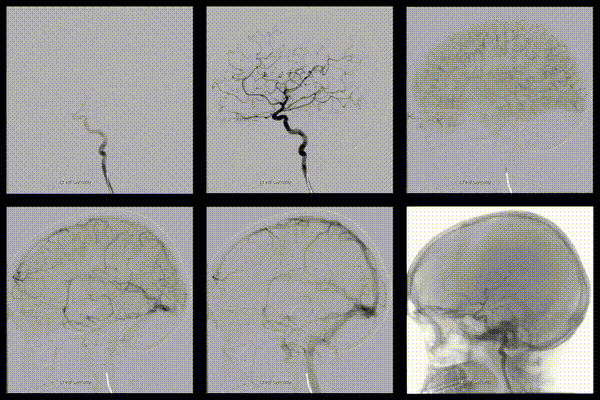
Cerebral angiogram

Cerebrovascular & Stroke

Home to the nation's first designated Center of Excellence for cerebral cavernous malformations, led by Dr. Issam Awad — who discovered the key genetic mutations enabling simplified testing for at-risk populations. Dr. Doron brings 2,500+ endovascular surgeries from Harvard/MGH.

View all conditions →
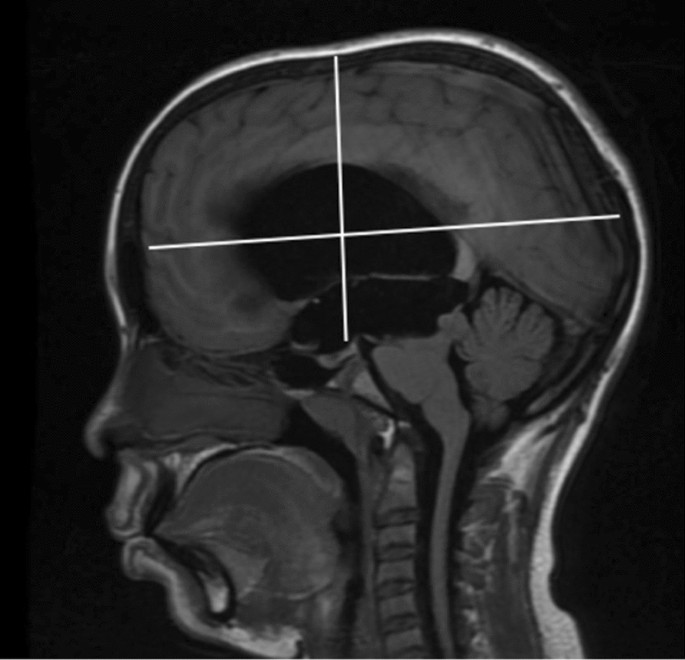
Pediatric hydrocephalus MRI

Pediatric Neurosurgery

Dr. Arthur DiPatri brings 27+ years of experience and dual board certification from Lurie Children's and Boston Children's Hospital. Now Chief of Pediatric Neurosurgery for the Chicagoland Children's Health Alliance — extending UChicago's expertise across a multi-hospital network.

View all conditions →
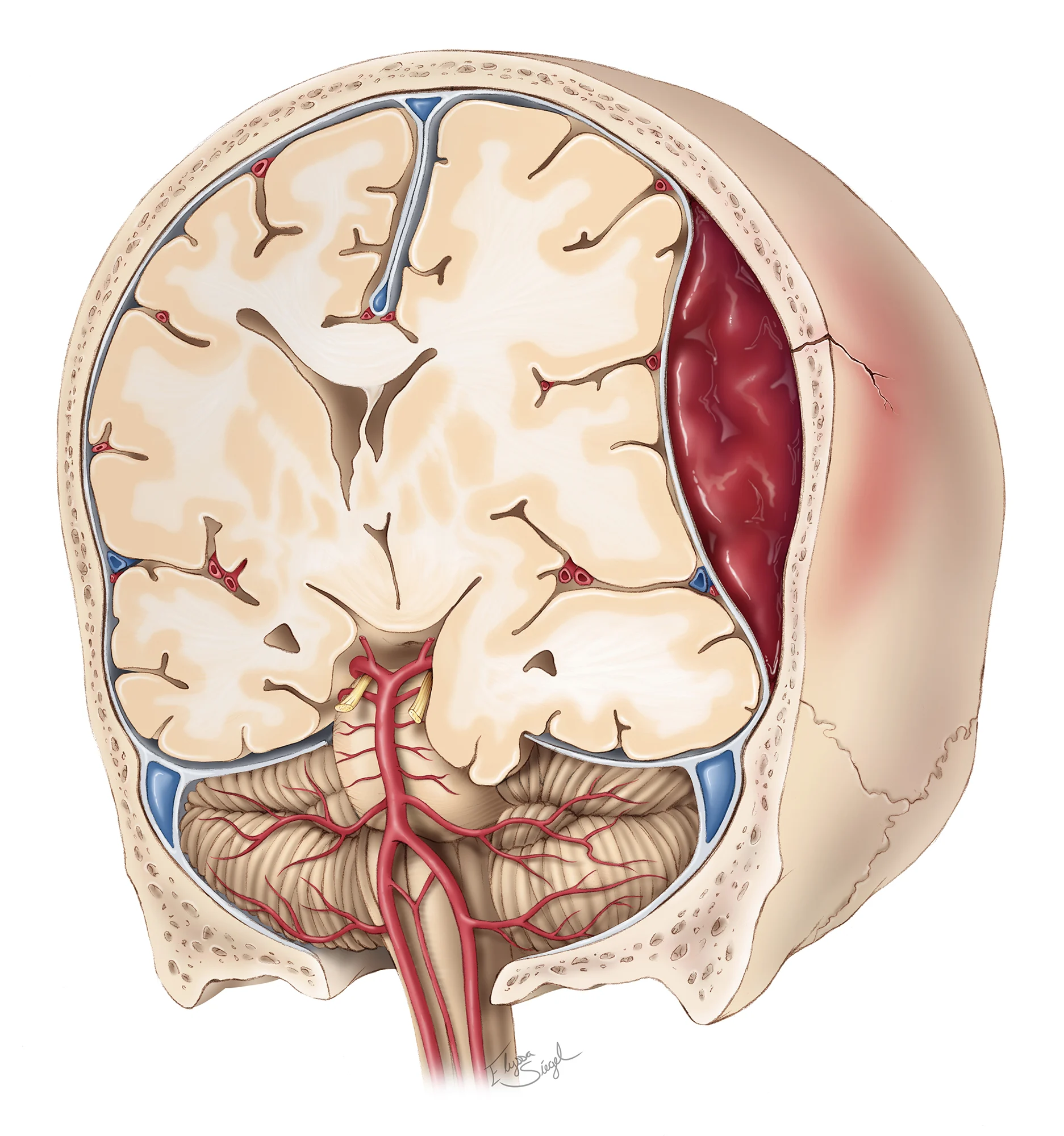
Epidural hematoma

Neurosurgical Trauma

Chicago's South Side went 30 years without an adult trauma center. Since opening in 2018, UChicago's Level 1 center has treated 18,800+ patients and reduced area firearm mortality by nearly 4%. One of few programs with a dedicated neurosurgical trauma fellowship.

View all conditions →
Our Faculty
Research That Shapes Patient Care
Our faculty don't just practice neurosurgery — they advance it. Here are some of the programs driving innovation at UChicago.
Dr. Issam Awad
Issam Awad, M.D.

Cerebral Cavernous Malformations

Discovered the Common Hispanic CCM1 and Ashkenazi Jewish CCM2 mutations. Leads the nation's first designated CCM Center of Excellence with continuous NIH funding since 1998, developing imaging and blood-based biomarkers and leading the AT CASH EPOC clinical trial.

Dr. Peter Warnke
Peter Christian Warnke, M.D.

Brain-Computer Interfaces & Epilepsy

Funded by four NIH grants including the BRAIN Initiative. Directs the NAUTILUS trial for thalamic stimulation in drug-resistant epilepsy, the SLATE and RESPONSE trials, and performed the first laser hemispherotomy in Illinois for pediatric epilepsy.

Dr. Mohamad Bydon
Mohamad Bydon, M.D.

Stem cell trial Trial & AI-Driven Spine Surgery

Led the first-in-human Phase 1 trial of stem cells for traumatic spinal cord injury — 7 of 10 patients showed neurological improvement. Holds 12 medical device patents and brings AI analytics to surgical outcomes at national scale.

Dr. Sean Polster
Sean Polster, M.D.

The Gut-Brain Axis Laboratory

First to demonstrate that the gut microbiome modulates the effects of radiosurgery on the neurovascular unit. NIH-funded research exploring how the microbiome influences stroke, brain injury, and neurodegeneration. Published in Nature Communications and Stroke.

Dr. Peleg Horowitz
Peleg Horowitz, M.D./Ph.D.

Tumor Genetics & Skull Base Surgery

Identified novel genes driving meningioma and pediatric glioma formation, published in Nature Genetics and PNAS. Department of Defense Neurofibromatosis Research Program funded. Combines a neuroscience PhD with advanced skull base surgical training.

Dr. Martin Herman
Martin Herman, M.D./Ph.D.

Wireless Spinal Cord Stimulation

Co-developed a fully implantable wireless intraspinal microstimulation device for motor function restoration after spinal cord injury. Published in Artificial Organs and Scientific Reports, bridging device engineering with complex spine surgery.

Ready to Take the Next Step?

The best next step is simply to have your imaging and case reviewed — so you can understand all your options before making a decision.

Schedule an Appointment →